 Grade
Grade  Print this resource
In this Rosie Labs guide you will find:
- Productive struggle opportunities for students during their project build,
- Lesson objectives and concept overview,
- Optional STEM topic video to share with participants,
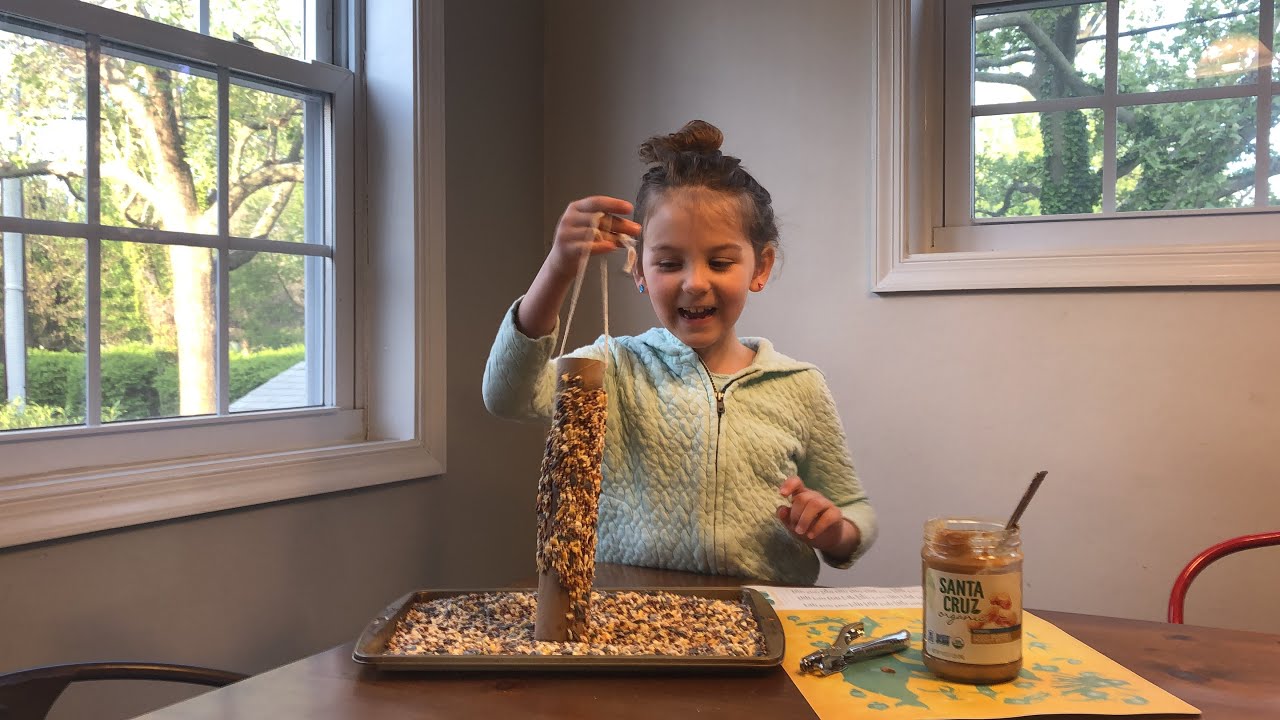
- Step-by-step instructions and video of the Rosie Riveters’ Bird Feeders project,
- Optional STEM activities to further explore the objectives and concepts used in the project build.
Objective
Students will be introduced to the concept of habitats by exploring the survival needs of birds.
Concept Overview and Experiment Inspiration
A habitat is a place where an animal lives. A successful animal habitat provides four things: food, water, shelter both from weather and a place to raise young, and protection from predators. Biomes are regions of the world that have similar weather, food sources and plants and are home to different animals. There are five major biomes that exist around the Earth; aquatic, grassland, forest, desert and tundra. Animals in these different biomes have adapted, or changed their behavior or needs, to these various habitats so they can survive. They are able to find the right shelter and food sources so they can keep having babies and live happily in the wild!
Humans and animals have been interacting with each other in the natural environment for a long time. Sadly, sometimes humans have destroyed habitats for animals by building or farming. Scientists and engineers are now learning ways to interact with our Earth so that we are not disrupting animal habitats too much. We always have to be respectful of an animal’s habitat. Not only do we need to keep animal habitats intact, but the majority of wild animals need to be able to survive on their own and not become dependent on humans to feed or shelter them.
However, one animal that has adapted very well to human interaction are birds! Birds are fascinating because they have adapted to many human-made things in their natural environment and can also take care of themselves in the wild. They can find shelter in buildings, get water from bird baths in gardens, and even get food from human-made food sources. It is helpful, especially when food is scarce in colder seasons, for humans to provide a little extra food for birds in a safe way!
Bird feeders are one of the many ways that humans have adapted their habitats to make them more welcoming to birds by providing one of those basic needs of habitat – food!
Science Goals
- A habitat is the place that an animal naturally lives and grows.
- Habitats provide animals with the four things they need to survive; food, water and shelter and protection.
- Animals have adapted over time to their habitats.
- Different animals have different needs for survival.
- Birds have adapted to many habitats and can thrive in the natural environment or the human-related environment (buildings, parks, farms, ponds).
Vocabulary
- habitat – the natural home or environment of an animal or plant.
- biome – regions of the world with similar climate, animals and plants.
- adaptation– the changes physical or behavioral characteristics of an animal that helps it survive in its environment.