• Our STEM projects are designed so that participants get it wrong before they get it right. You will observe your students struggling as they attempt to create their own STEM projects. This process is an empowering experience, building perseverance, frustration tolerance and growing overall confidence! With your support, students will step out of their comfort zones to think, build and problem-solve for themselves.
  • Science Standards
    - Next Generation Science Standards (NGSS): 4-LS1-1: Construct an argument that plants and animals have internal and external structures that function to support survival, growth, behavior, and reproduction. 3-5-ETS1-1: Define a simple design problem reflecting a need or a want.

    - Virginia Science Standards of Learning (SOLs): 4.4: Investigate and understand basic plant anatomy and processes, including photosynthesis and reproduction. 4.5: Investigate and understand the relationships among organisms in terrestrial and aquatic ecosystems.
  • Productive Struggle Opportunities:
    -Cutting straws in even pieces
    -Threading string through straws
    -Attaching petals securely to ensure the flower can pull and bloom

Objective

Students will learn about the different parts of a flower, their function and how and why flowers bloom.

Concept Overview

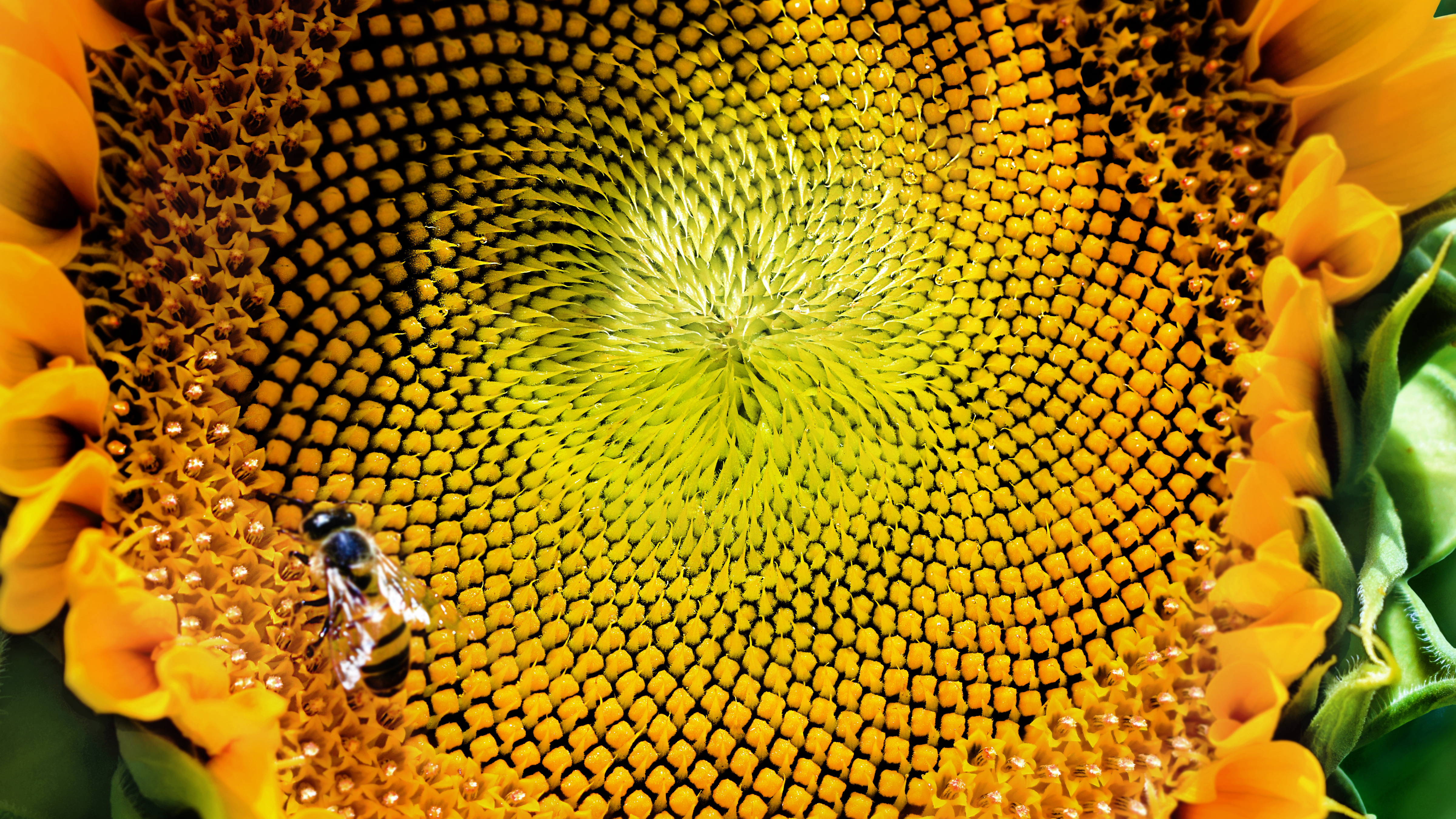
Flowering plants are the most diverse and widespread group in the Plant Kingdom. Flowers are their primary reproductive structures.

Plants have strategies for reproduction:

  • Timing flower production to match pollinator activity
  • Creating specific flower shapes and colors to attract particular animals
  • Some flowers, like the Bee Orchid, even mimic the appearance of insects to ensure pollination

Flowers open and close in two primary ways:

  1. Cell Growth Method: Adding new cells to the inside or outside of the flower to expand or contract
  2. Cell Expansion Method: Pumping water in and out of cells, creating structural changes that cause the flower to open or close

These processes are in response to environmental conditions such as light, temperature, and moisture.

Science Goals

SOL 4.4 Plant Life Processes

SOL 4.4 a Plant Structures and Functions

SOL 4.4 b Plant Reproduction

SOL 4.5 c Adaptations

Vocabulary

  • Petals: These are the colorful parts of the flower that attract pollinators like bees and butterflies.
  • Stamens: The parts of the flower that produce pollen.
  • Pistil: The parts of the flower that receive the pollen and produce seeds.
  • Sepals: The small leaves at the base of the flower that protect the flower before it blooms.
Required Materials

  • dowel
  • double-sided foam mounting tape
  • 3 ft string
  • Two 6 inch foam hearts
  • plastic straws
  • masking tape
  • scissors

Step-By-Step Instructions

Step 1

Cut the straw into three equal pieces.

Step 2

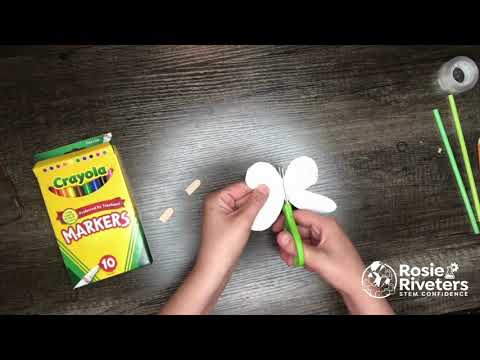
Tape one section of the straw to the bottom of the foam petal, and repeat for the other two petals (the straws should be taped parallel to the flower).

Step 3

Take 1 piece of string and tape it to the top of the petal, opposite the side with the straw. After it’s secure, thread the string through the straw.

Step 4

Attach the other two strings in the same way on the other petals, and thread them through the two straws.

Step 5

Cut the 3M foam square in half.

Step 6

Remove one side of the adhesive and wrap the foam around the dowel, about two fingerspaces from the top.

Step 7

Remove the other side of the adhesive from the sticky foam square and attach the three foam petals around the dowel, one by one, and press to secure with the straws facing outward.

Step 8

You may add extra tape around the base of the petals to reinforce.

Step 9

Pull the strings gently and watch your flower bloom!

Optional Classroom Activities

Resource 1

FLOWER DISSECTION: Dive into the inner workings of flowers with your students! Equip each student with a real flower, like a lily or rose, and guide them through the dissection process. Encourage careful examination and identification of parts like petals, sepals, stamens, pistils, and ovary. Prompt students to observe the functions of each part, such as petals attracting pollinators or stamens producing pollen. This hands-on exploration not only deepens understanding of plant anatomy but also sparks curiosity and engagement in botany. For a helpful resource, consider using this dissection sheet outlining steps and structures to observe during the activity. Get ready for an exciting journey into the world of flowers with your students!

Resource 2